Blood Armor · US Wellness & Product Guide
How to Read Blood Sugar Supplement Labels in the USA
Understand US Supplement Facts labels, ingredient transparency, serving size and FDA-related claims before buying. Blood Armor merchant offers are presented separately from medical research.
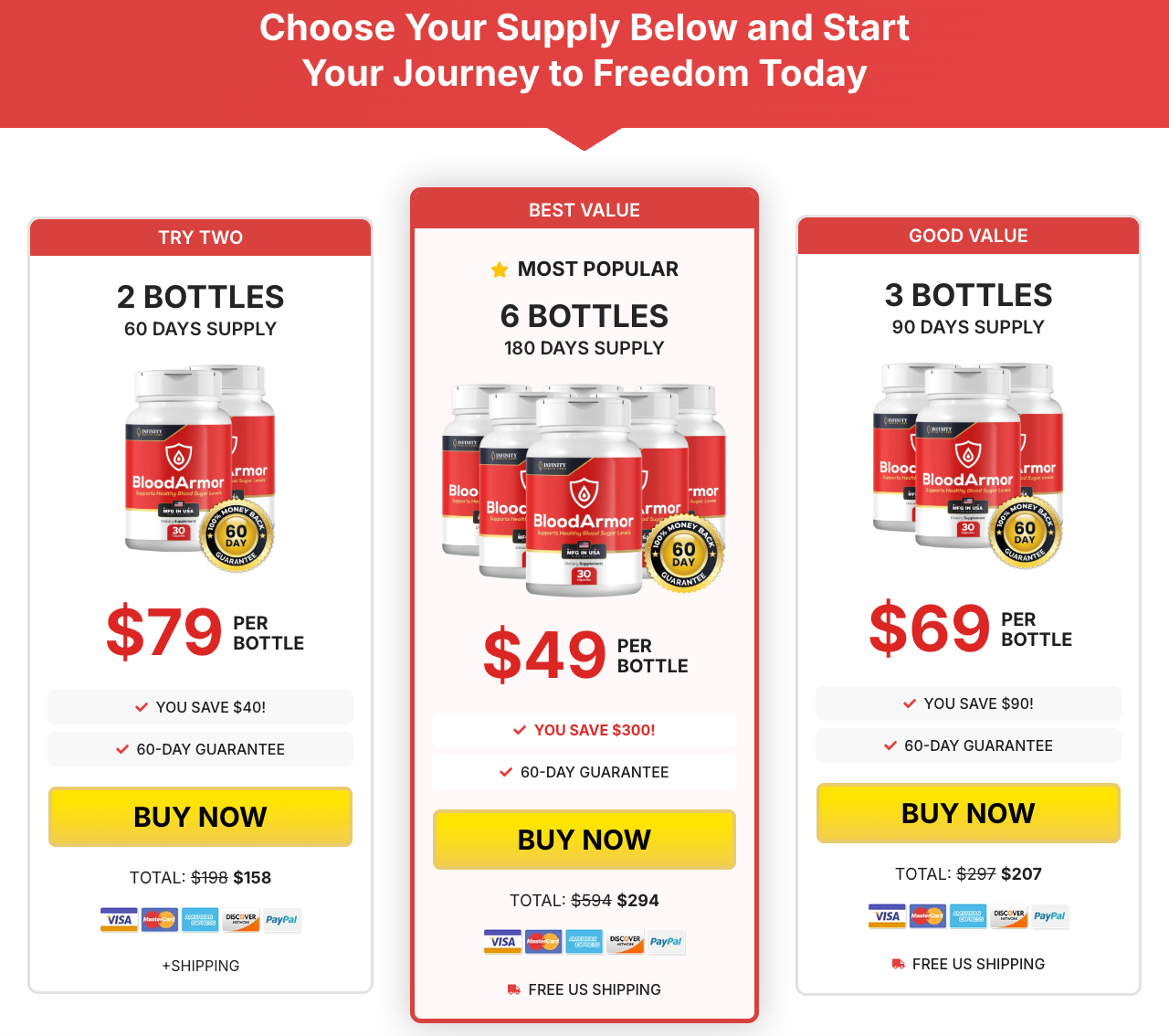
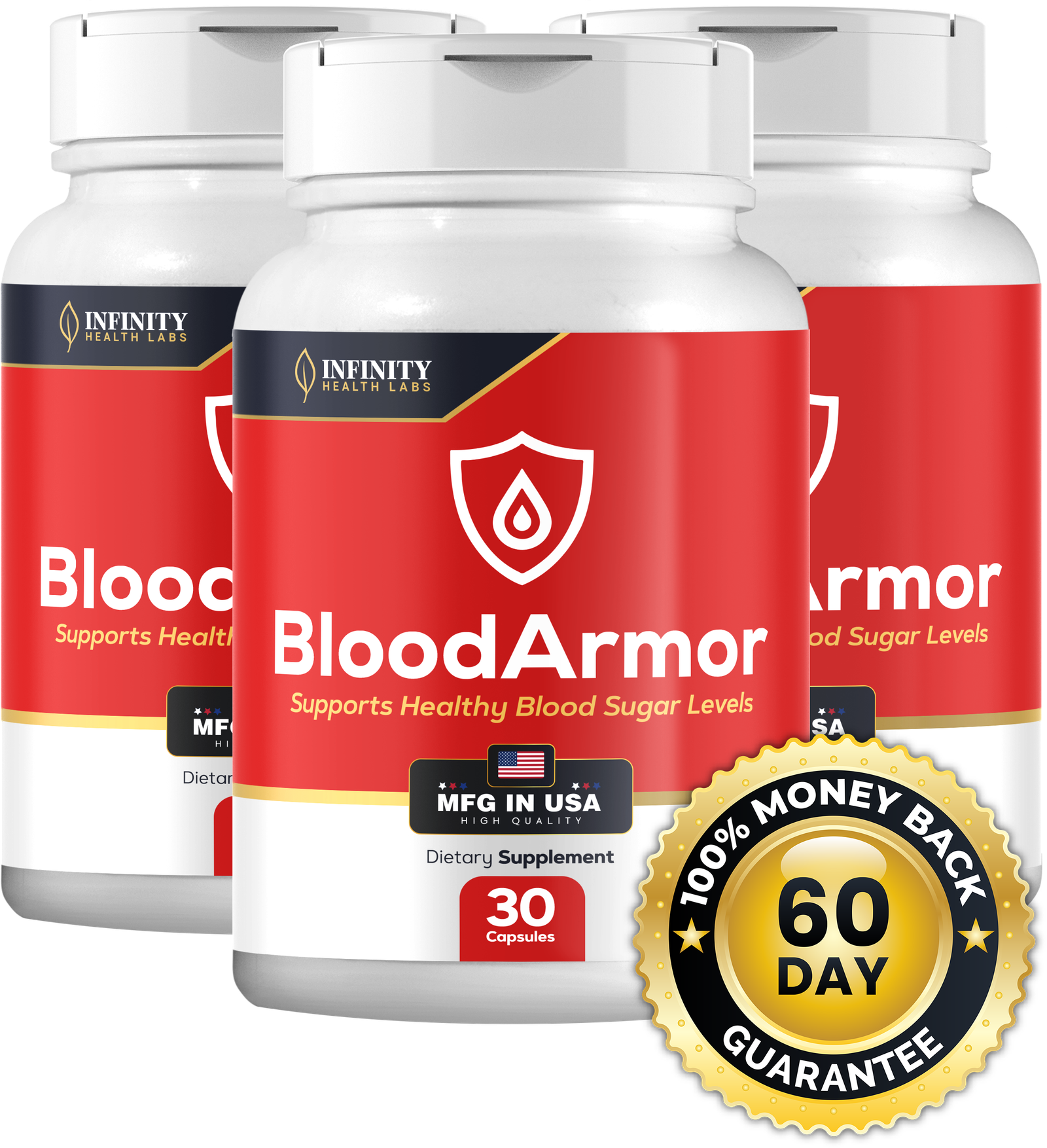
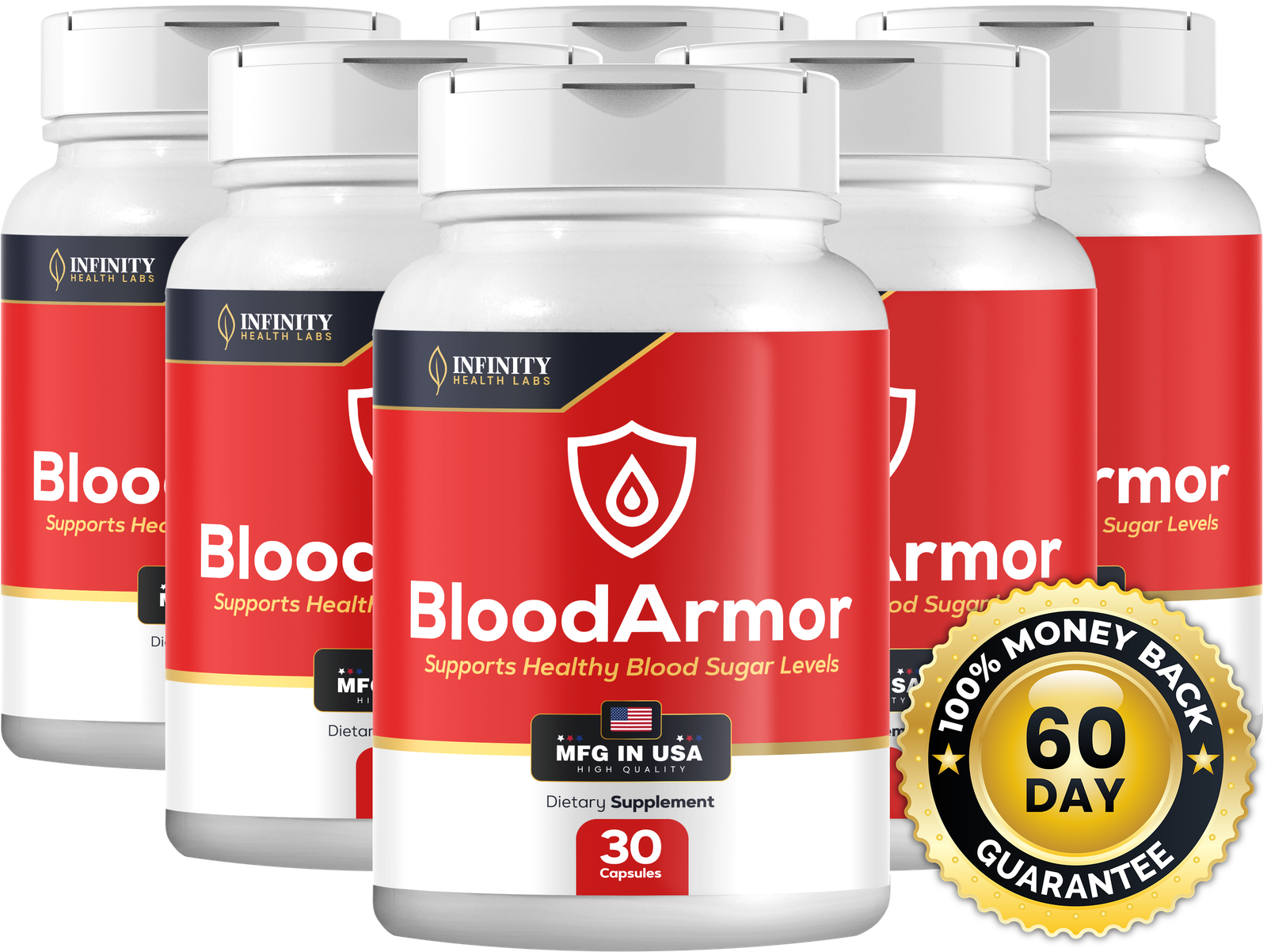
The graphic shows merchant-advertised pricing and guarantee information; verify terms at checkout.
Blood Armor · Purchase Options
Explore Today’s Blood Armor Buying Options
Review the advertised two-, three- and six-bottle configurations. Check live prices, shipping and eligibility at the merchant checkout.
CHECK CURRENT OFFER ↗Affiliate link · Pricing and guarantee wording shown in artwork are merchant advertising and require checkout confirmation.
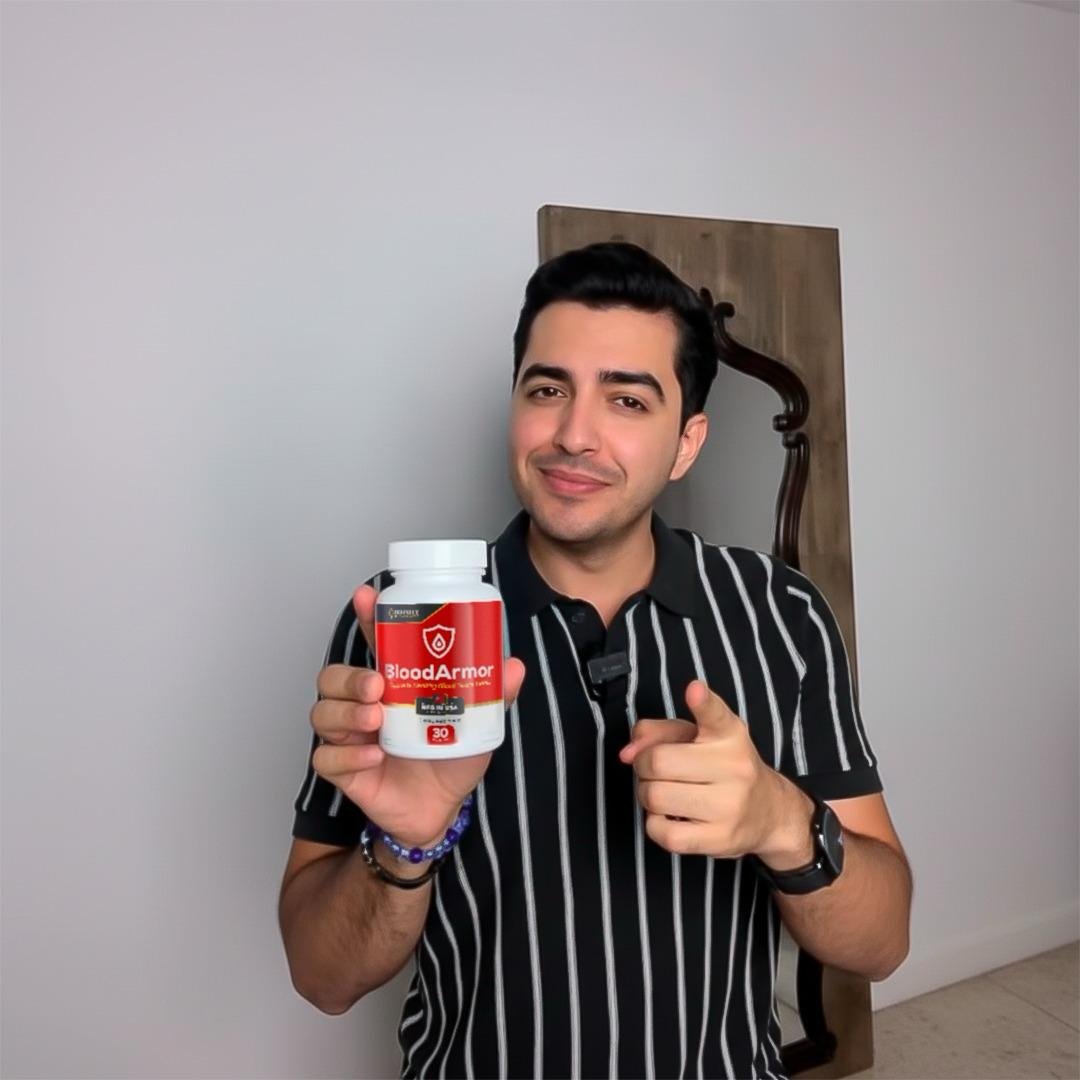
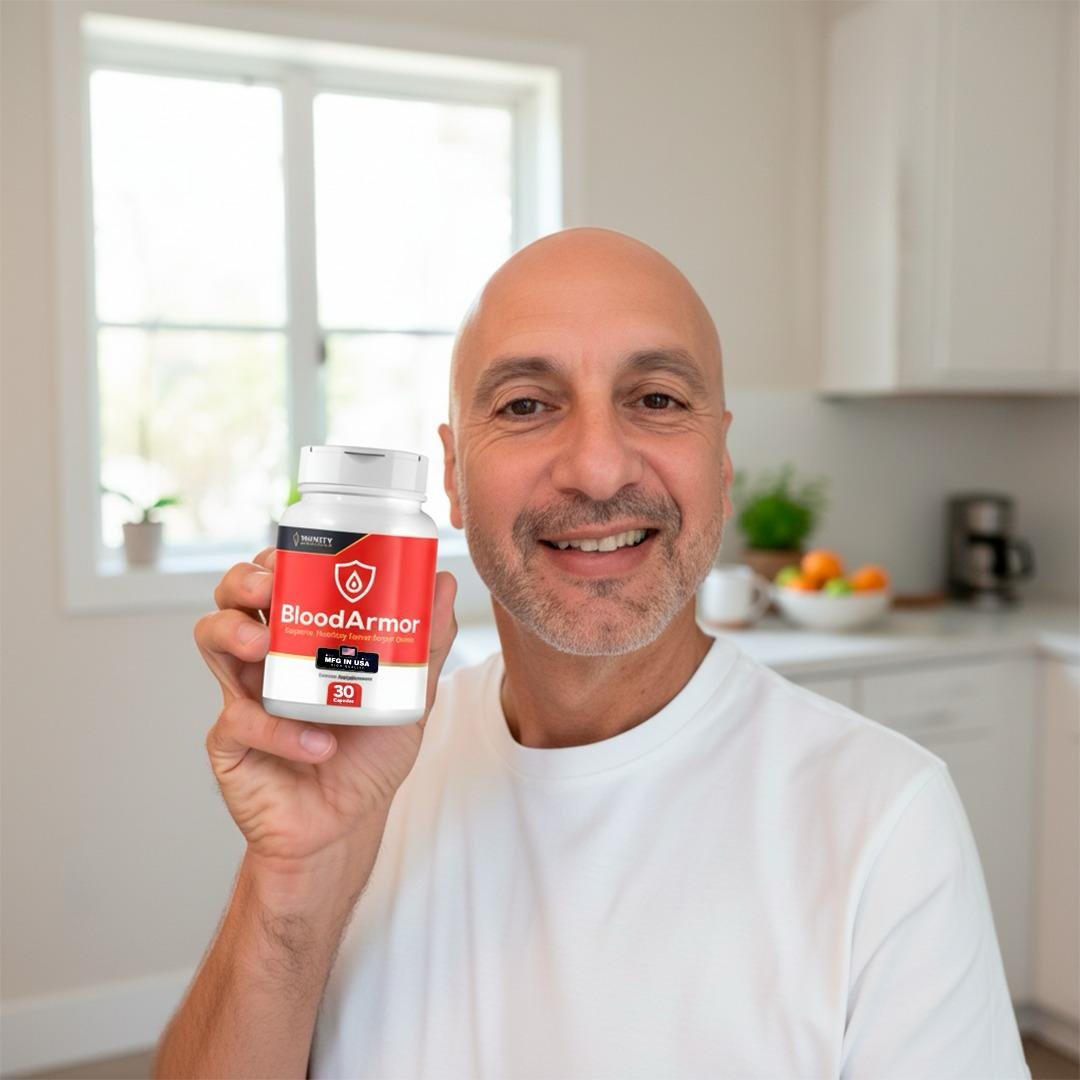
Promotional photographs supplied with the product assets. People pictured are not presented as verified customers or clinical participants.
Start with the precise decision you need to make
For a US consumer, reading a supplement label is not merely a matter of recognizing familiar herbal names. The label should help identify the product category, serving size, listed ingredients and use directions. A meaningful comparison begins with those fields rather than an advertised outcome. Blood Armor marketing artwork describes bottle offers, but it does not by itself confirm the current Supplement Facts panel. Before attributing an ingredient or quantity to the product, check the actual container label and the responsible seller’s current documentation. If the information cannot be obtained, uncertainty is an important purchasing consideration.
Identify serving size and servings per container
Serving size is the quantity associated with the amounts shown in a Supplement Facts panel. Servings per container helps translate a bottle into an estimated supply, but only when the recommended frequency is known. A thirty-serving bottle could have a different practical duration from another bottle if directions differ. Compare like with like, and avoid assuming that a greater number of capsules always means better value. Do not change the recommended use to match an attractive price calculation. Anyone considering a supplement alongside prescribed medicine should review the label and possible interactions with a qualified clinician.
Read ingredient names, amounts and standardized forms
Ingredients may be presented as minerals, botanical powders, extracts or combinations. For a botanical, the species, plant part and extraction standard can affect how directly published studies apply. For a mineral, its compound and stated amount are relevant. Proprietary blends may provide a blend total without disclosing individual quantities, limiting any direct comparison with research doses. A familiar ingredient name is not evidence of a clinically meaningful outcome. The relevant question is whether the exact intervention being sold resembles the form and amount studied in humans, and whether results were consistent.
Distinguish a structure/function statement from a treatment claim
US dietary supplement marketing may include statements about supporting normal body function, but that is different from asserting that a product treats or cures diabetes. The Food and Drug Administration does not approve dietary supplements as medicines before marketing. A product displaying a manufacturing-related logo or warning should not automatically be called FDA-approved. Readers should also distinguish a seller’s claims from an independent clinical evaluation. When a page discusses glucose or HbA1c, it must not present general nutrition science as proof that the advertised Blood Armor formula produces a specific change.
Blood Armor · Purchase Options
Compare Blood Armor Packages Before You Decide
Compare total cost, cost per serving and upfront purchase commitment. Confirm current merchant terms before deciding.
CHECK CURRENT OFFER ↗Affiliate link · Pricing and guarantee wording shown in artwork are merchant advertising and require checkout confirmation.
Ask what a quality badge actually certifies
GMP language, third-party testing, non-GMO statements and quality seals address different subjects. A manufacturing-process claim is not proof of finished-product efficacy. A third-party certificate should be attributable to a recognized organization, match the product where relevant and identify the scope of testing. Testing may evaluate identity, contaminants or other measurable characteristics rather than clinical performance. If evidence is unavailable, the correct conclusion is that the particular claim is not independently substantiated from the supplied records, not that the product has automatically failed or passed a standard.
Interpret side-effect and warning information seriously
An ingredient that is natural can still interact with medication or be unsuitable in certain conditions. Particular attention is warranted for people using glucose-lowering medicines, managing kidney or liver conditions, or facing pregnancy-related concerns. Supplement directions cannot replace medical advice, and a product label is not designed to diagnose symptoms. A person reporting elevated blood sugar, unusual thirst or persistent symptoms should pursue appropriate clinical assessment rather than relying on commercial wellness language. Consumers can use the related MPS clinical-evidence and safety resources to evaluate the limits of ingredient studies.
Compare packages using verified quantities
Once serving information and price are verified, buyers can compare cost per serving, rather than price per bottle alone. Also consider total up-front cost, subscription terms if any, shipping charges, taxes and whether the return policy applies to opened products. The approved promotional artwork shows three package options, but it is an advertising asset, not a substitute for current checkout conditions. It should not be used to invent exact bottle contents, price changes or stock status. The best choice depends on information about actual use, commercial terms and personal suitability.
A practical US supplement-label checklist
Check product name, manufacturer or distributor, Supplement Facts, ingredient amounts, serving instructions, warnings, lot information where provided and supporting quality documentation. Write down what cannot be verified. Separate merchant representations from independently published research. Where blood-sugar outcomes are discussed, identify whether studies examine an individual ingredient or the finished formula. Consult a health professional about interactions or a medical condition. The purpose is an informed purchase decision, not a promise that choosing a supplement will treat a disease.
Research and related buyer resources
US consumer protection and buying resources
Blood Armor · Purchase Options
Ready to Review the Current Blood Armor Offer?
Explore the product information, ingredient-label considerations and current offer with clear expectations.
CHECK CURRENT OFFER ↗Affiliate link · Pricing and guarantee wording shown in artwork are merchant advertising and require checkout confirmation.