Blood Armor · US Wellness & Product Guide
How to Compare Supplement Ingredient Doses in the USA
Learn to compare supplement serving amounts, ingredient forms and study doses before buying. Review Blood Armor merchant terms separately from clinical evidence.
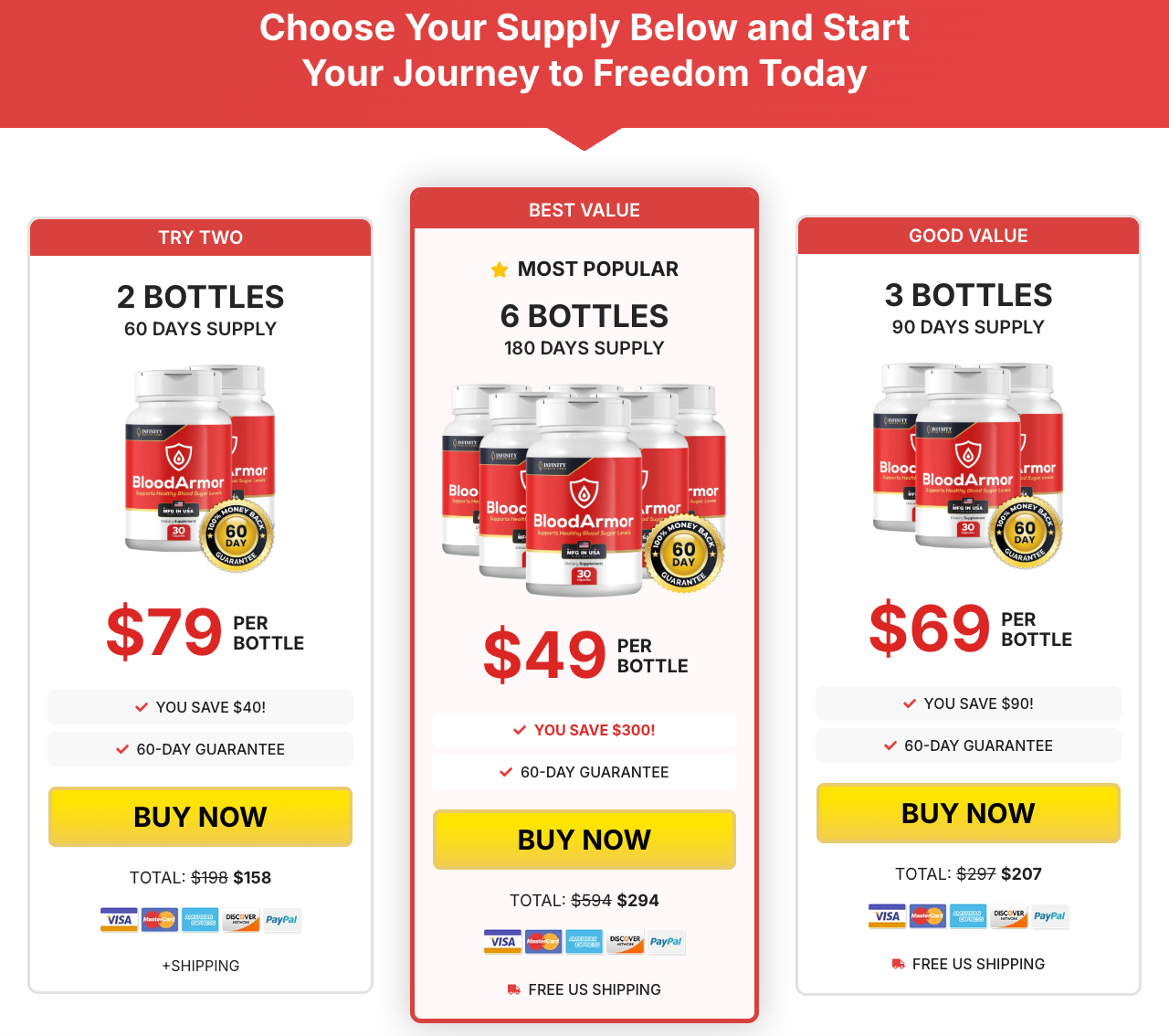
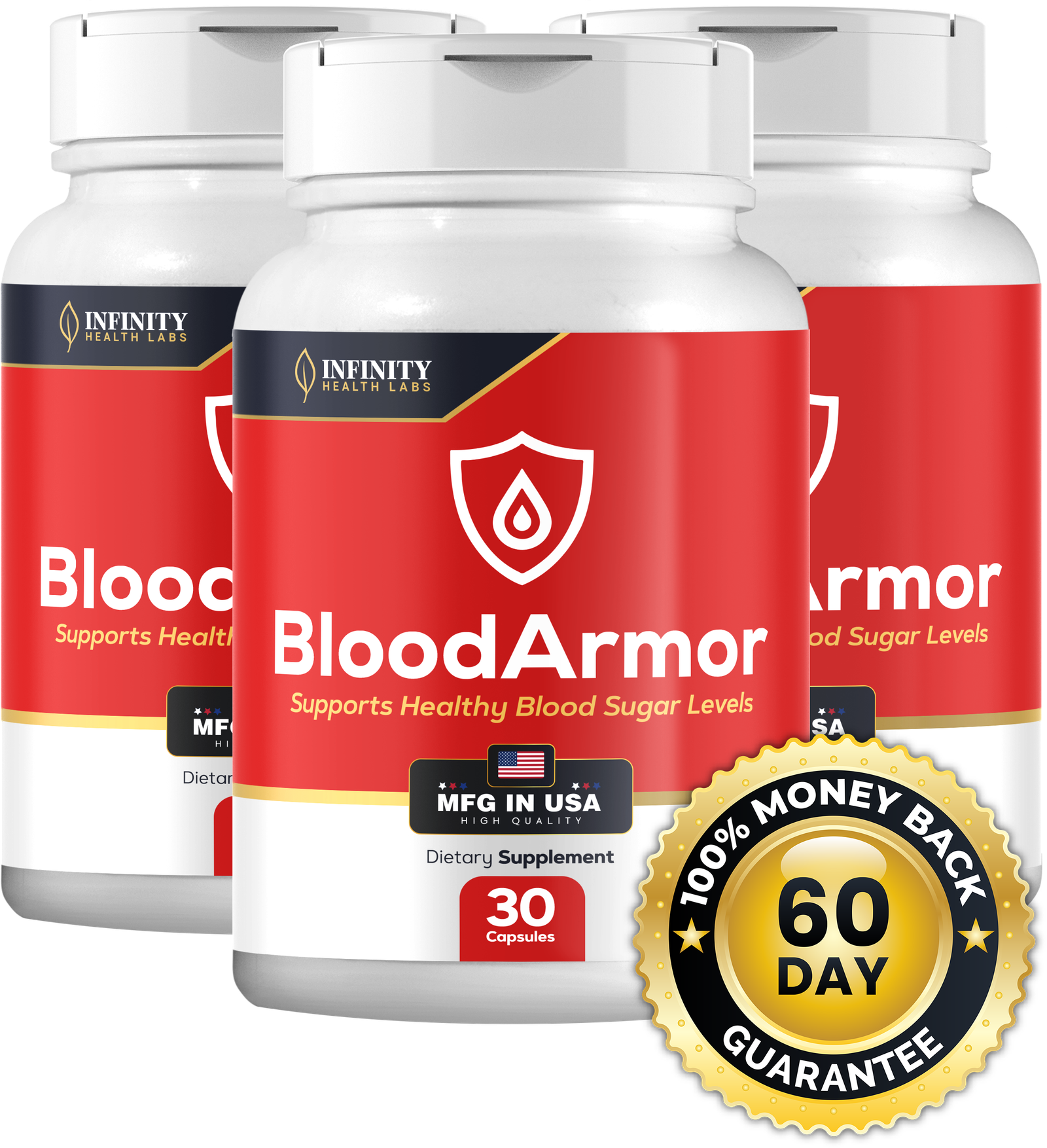
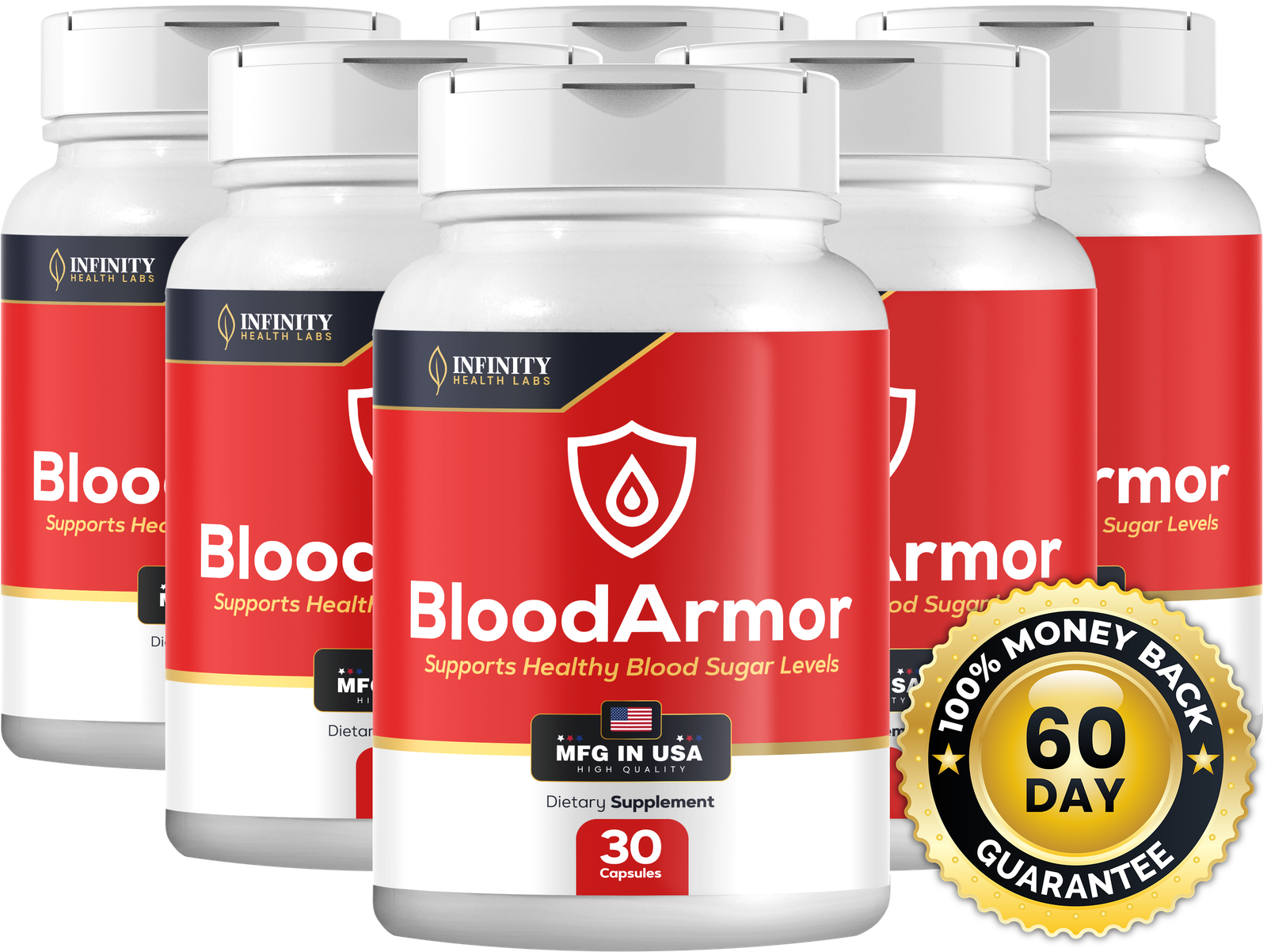
The graphic shows merchant-advertised pricing and guarantee information; verify terms at checkout.
Blood Armor · Purchase Options
Explore Today’s Blood Armor Buying Options
Review the advertised two-, three- and six-bottle configurations. Check live prices, shipping and eligibility at the merchant checkout.
CHECK CURRENT OFFER ↗Affiliate link · Pricing and guarantee wording shown in artwork are merchant advertising and require checkout confirmation.
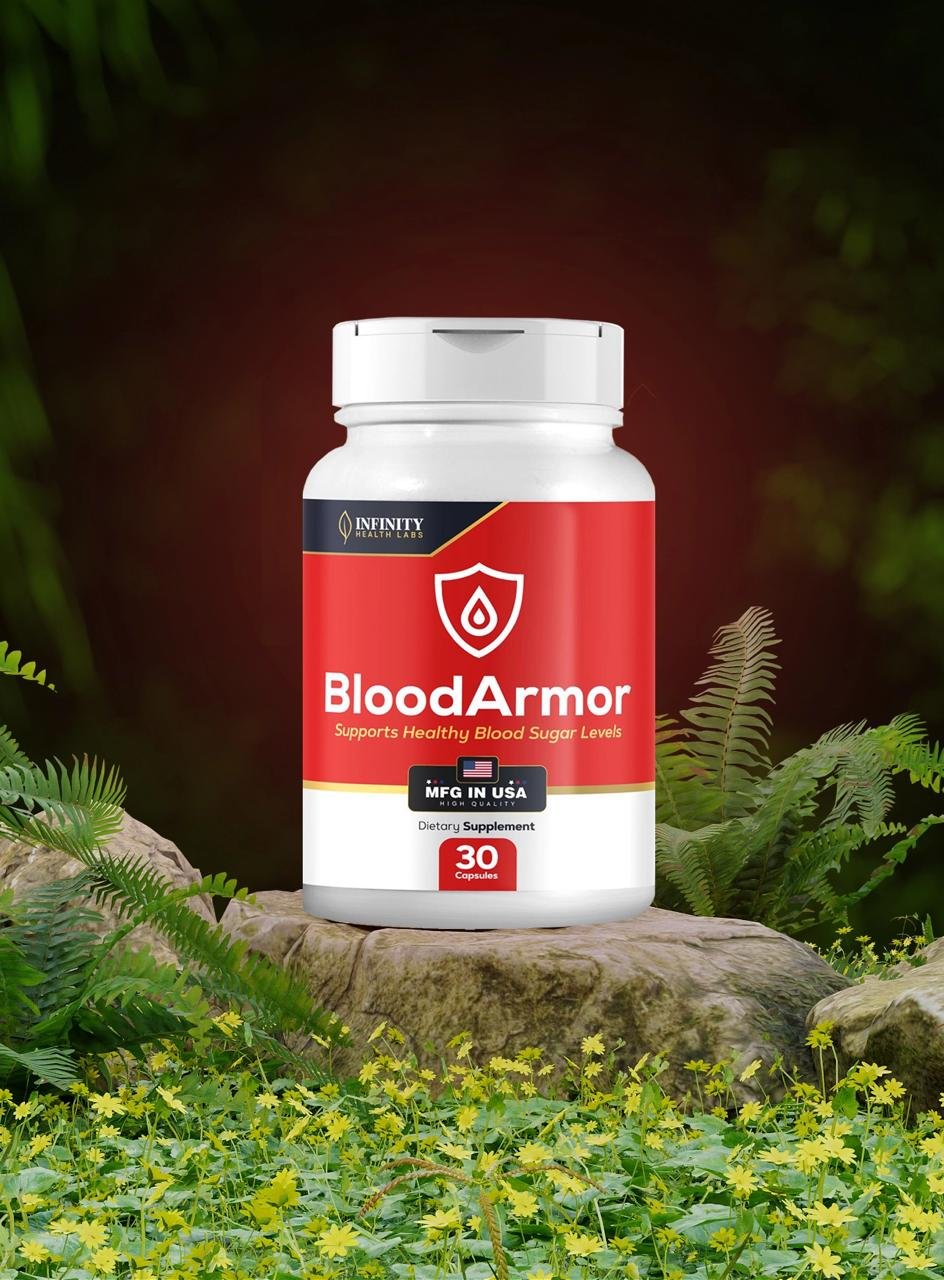
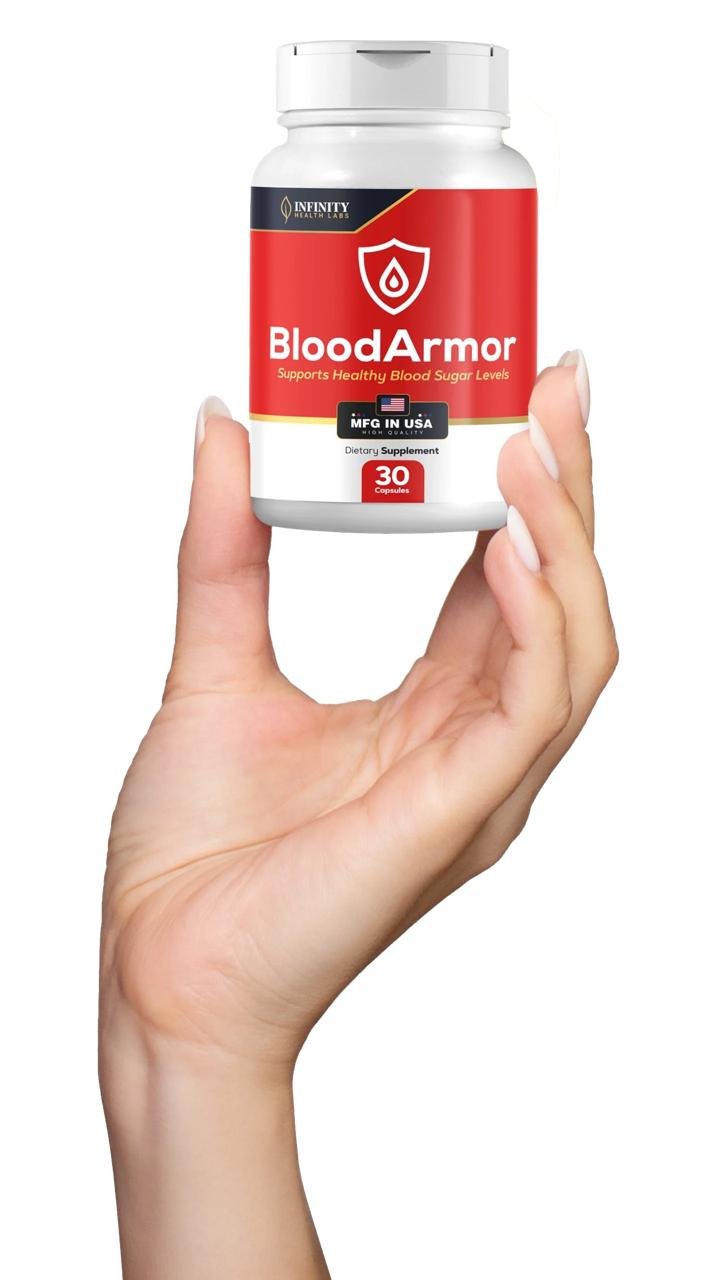
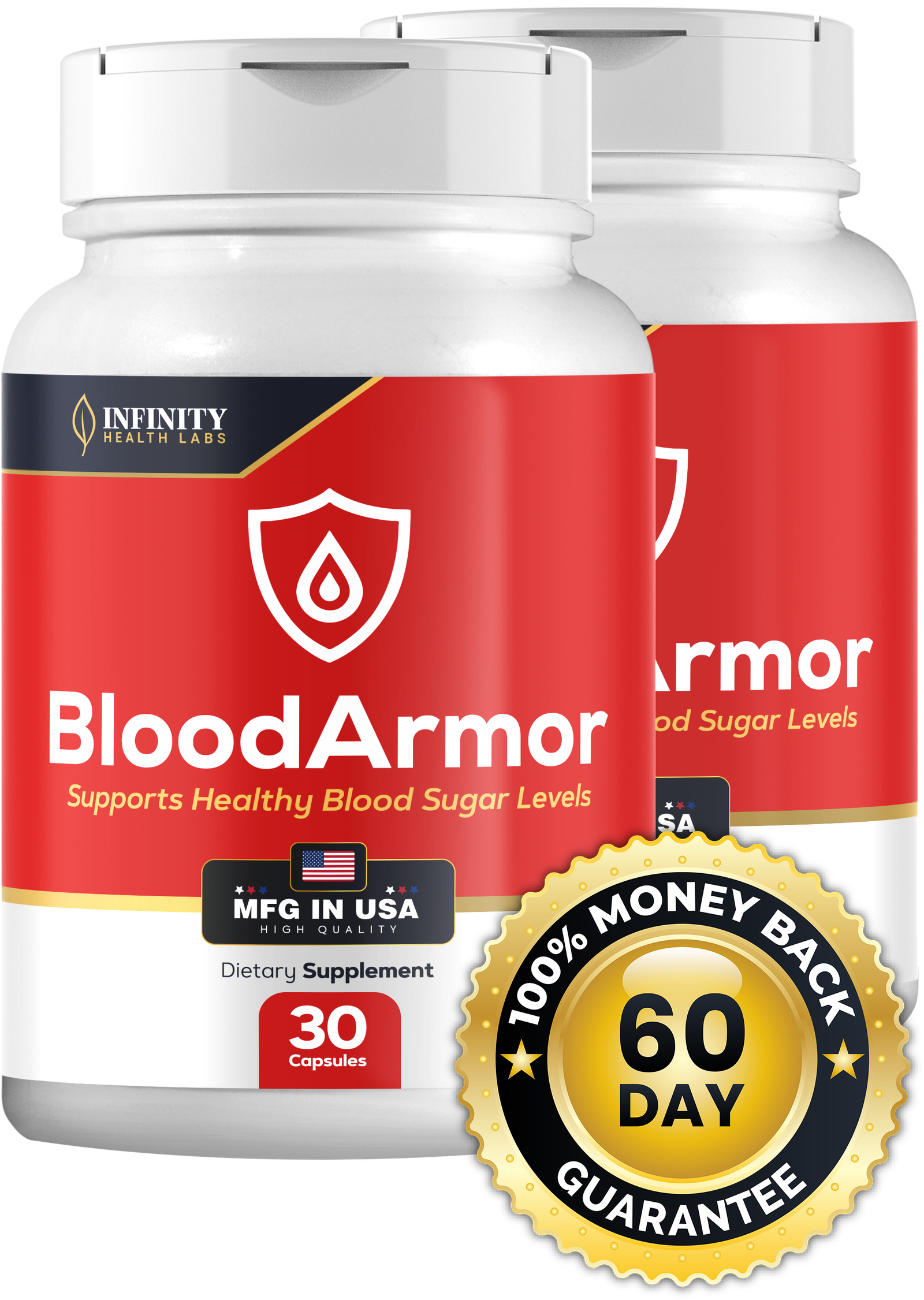
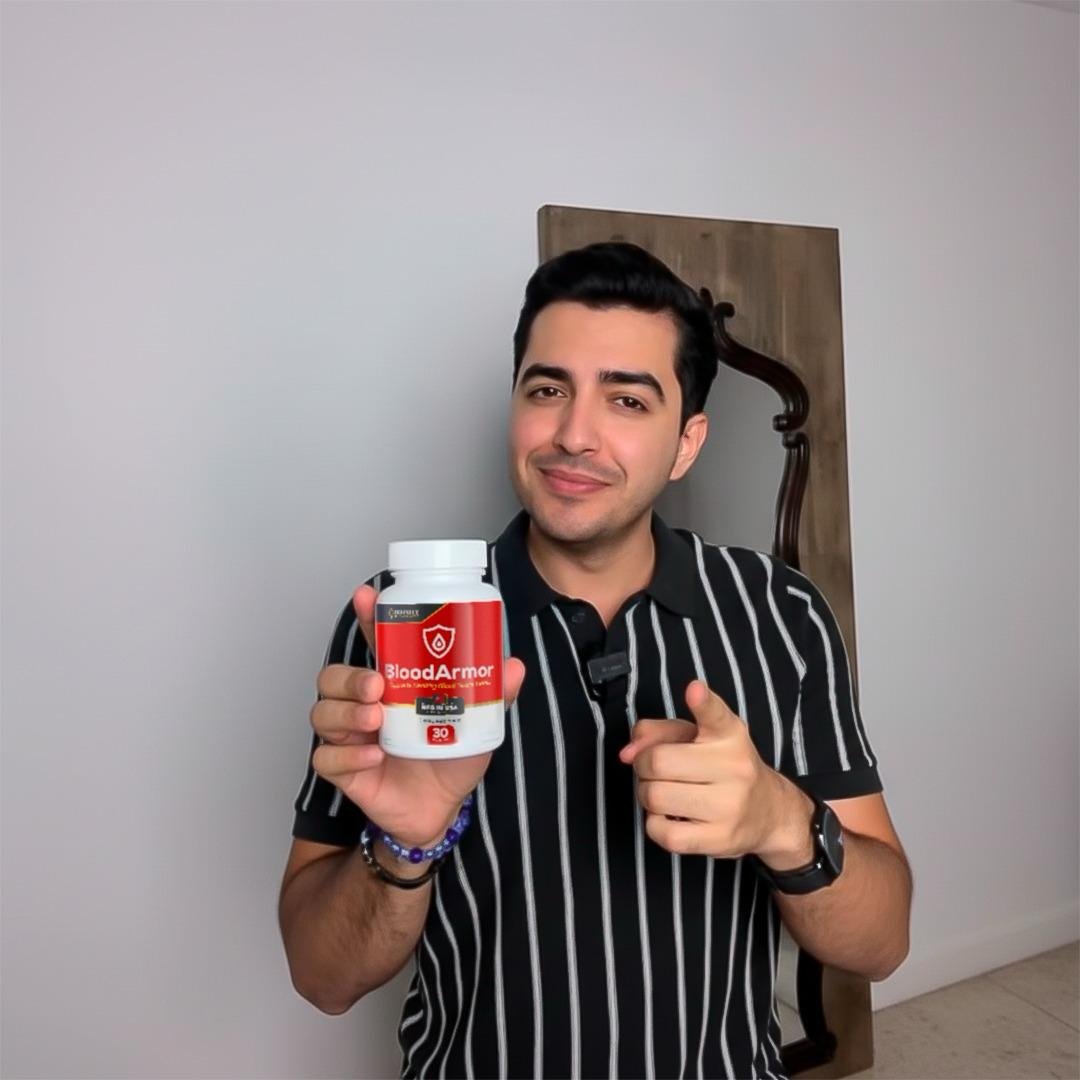
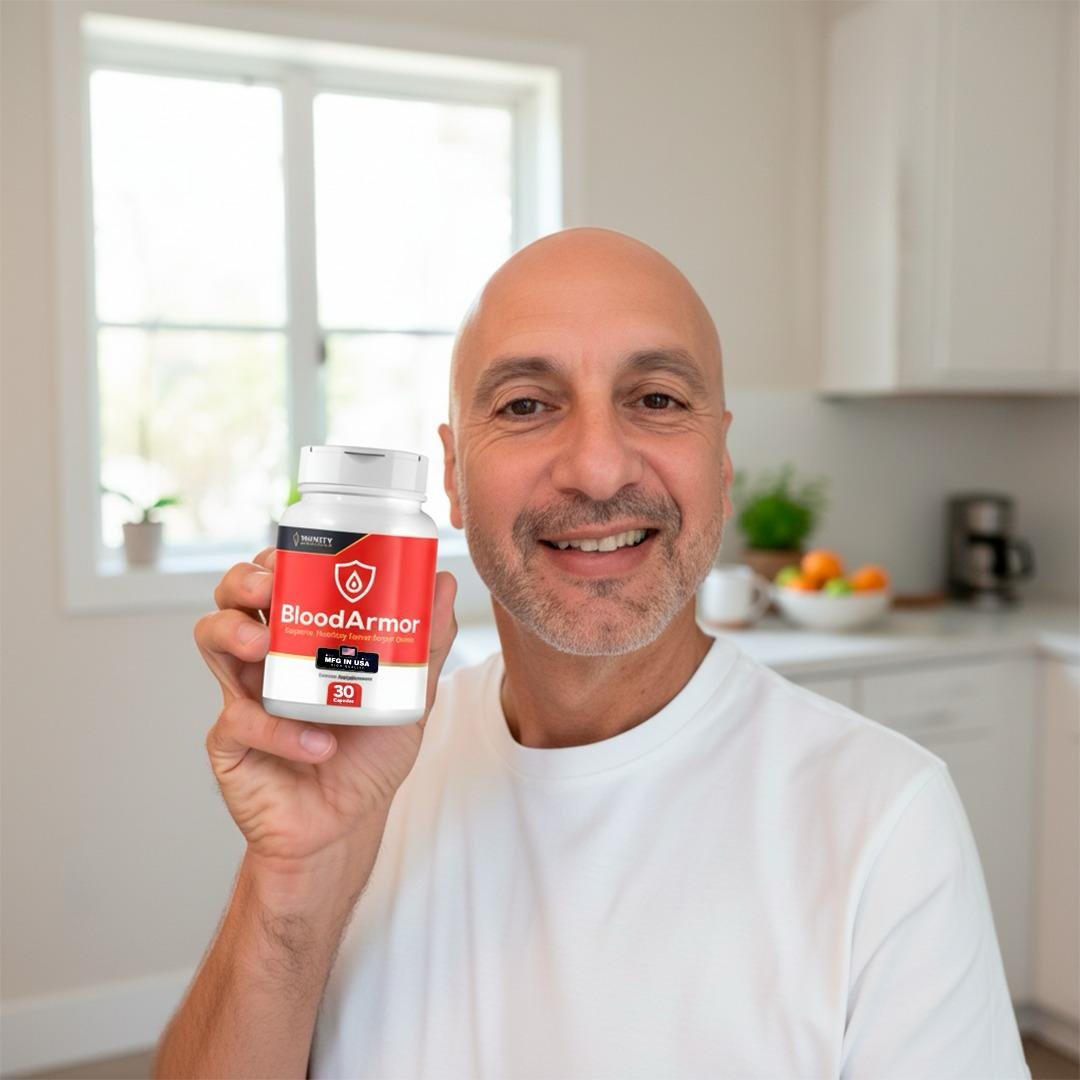
Promotional photographs supplied with the product assets. People pictured are not presented as verified customers or clinical participants.
Start with the Supplement Facts panel
The first useful comparison between two supplement products is not the number of ingredients on the front of the bottle. It is the declared serving size and the amount of each ingredient in that serving. A label can present milligrams of a compound, an extract ratio, or a quantity of a mineral compound without explaining how those figures compare to relevant clinical studies. A transparent comparison records what the product actually declares, the number of servings in the container, and any qualifications the manufacturer makes. Blood Armor-specific values should not be inserted until its current label is verified. This makes the comparison useful even when current advertising emphasizes a different metric.
Compare forms, not just matching ingredient names
An ingredient name does not always identify a chemically or biologically equivalent intervention. For minerals, the chemical form and amount of elemental mineral can differ. For botanicals, species, plant part, preparation and extract standardization can change what is present. When a scientific paper studied a particular preparation, its findings cannot automatically be assigned to a product using another preparation with the same broad name. A comparison table should therefore have separate fields for ingredient identity, form, stated amount and any standardized constituent. An unspecified form is a meaningful data gap rather than a reason to assume equivalence.
Understand proprietary blends and missing quantities
Some formulas disclose a total blend amount while withholding the quantities of individual components. The total does not show how much of any one ingredient a person receives. Without individual amounts, it may be impossible to compare the product with ingredient-specific human research or to calculate total exposure when the person uses more than one supplement. A transparent editorial analysis should explain this limitation directly. A proprietary blend is not by itself proof that a product is ineffective or unsafe, but it reduces the precision of a dose comparison. For any Blood Armor formula breakdown, reproduce only the verified current facts from the label.
Separate study doses from safe or recommended doses
A quantity administered in a clinical trial is an observation about that study design, not an instruction for consumers to take that dose. Human trials may involve selected participants, monitoring, exclusion criteria, unusual formulations or durations different from everyday use. Some ingredients may interact with medicines or present risks at certain exposure levels. Clinical evidence must be interpreted with its population, endpoints, and adverse events. No website should convert a study dosage into personalized medical advice or suggest increasing a supplement serving to match a paper. For glucose-related concerns, the individual treatment plan belongs with a qualified healthcare professional.
Blood Armor · Purchase Options
Compare Blood Armor Packages Before You Decide
Compare total cost, cost per serving and upfront purchase commitment. Confirm current merchant terms before deciding.
CHECK CURRENT OFFER ↗Affiliate link · Pricing and guarantee wording shown in artwork are merchant advertising and require checkout confirmation.
Use a consistent comparison worksheet
A practical worksheet can include product name, stated serving size, servings per container, ingredient name, stated amount, preparation details, warnings, responsible distributor and current source. A second section can distinguish ingredient-level evidence from finished-product clinical results. When a field is unverified, mark it unknown rather than estimating. This framework prevents a price-per-bottle comparison from obscuring very different serving counts. It also helps buyers determine whether product marketing provides enough detail to assess suitability. The worksheet is a decision aid, not an effectiveness rating, and should never convert unknown ingredients into positive assumptions.
Look for warning statements and overall exposure
Ingredient doses matter alongside medical conditions, medication use, age and other supplements. A person may encounter the same botanical or micronutrient across several products and unintentionally duplicate exposure. Individuals using medicines that affect blood glucose should be particularly careful about possible additive effects and interactions. Warning labels are not exhaustive, and an absence of an interaction on a sales page is not assurance that none exists. Read the full label, consider all current medicines and supplements, and discuss material safety questions with a clinician or pharmacist. Individualized advice is especially important during pregnancy or with kidney or liver disease.
Interpret prices using verified serving counts
Cost per serving can be more informative than an advertised price per bottle, but it requires real inputs. Divide the total checkout price by the number of usable servings, checking whether delivery charges, taxes or multipack discounts change the calculation. Compare products only after identifying what constitutes a serving and how the bottles differ. Current Blood Armor screenshots may display different bottle packages; they do not establish ongoing prices or quantities per serving. The seller checkout controls purchase terms. Any comparison table should state the source of its figures and avoid invented savings percentages or claims that the most expensive option delivers stronger results.
Make a decision with evidence boundaries intact
The aim of an ingredient-dose comparison is to understand disclosure quality and whether published evidence is even applicable, not to prove that a multi-ingredient product improves HbA1c or treats diabetes. Ask whether quantities are known, forms are comparable, warnings are complete, and product-level human research exists. FDA rules for dietary supplements differ from drug approval requirements, and manufacturing statements alone do not prove effectiveness. Independent resources such as NIH NCCIH can clarify study limitations. If product documentation is incomplete, it is reasonable to postpone a purchase until the information can be checked. Consumer clarity is a stronger decision basis than exaggerated promotional promises.
Official guidance and related buying resources
Consult FDA dietary supplement guidance at https://www.fda.gov/food/dietary-supplements and NCCIH at https://www.nccih.nih.gov/health/diabetes-and-dietary-supplements-what-you-need-to-know. This page provides general consumer education and does not verify product-specific clinical outcomes or current seller terms.
More US supplement buying guides
US consumer protection and buying resources
Blood Armor · Purchase Options
Ready to Review the Current Blood Armor Offer?
Explore the product information, ingredient-label considerations and current offer with clear expectations.
CHECK CURRENT OFFER ↗Affiliate link · Pricing and guarantee wording shown in artwork are merchant advertising and require checkout confirmation.