Blood Armor · US Wellness & Product Guide
US Dietary Supplement Rules: FDA Labels, Claims and Buyer Rights
Understand US dietary supplement rules, FDA responsibilities, product claims and informed purchasing. Explore product information separately from clinical or merchant claims.
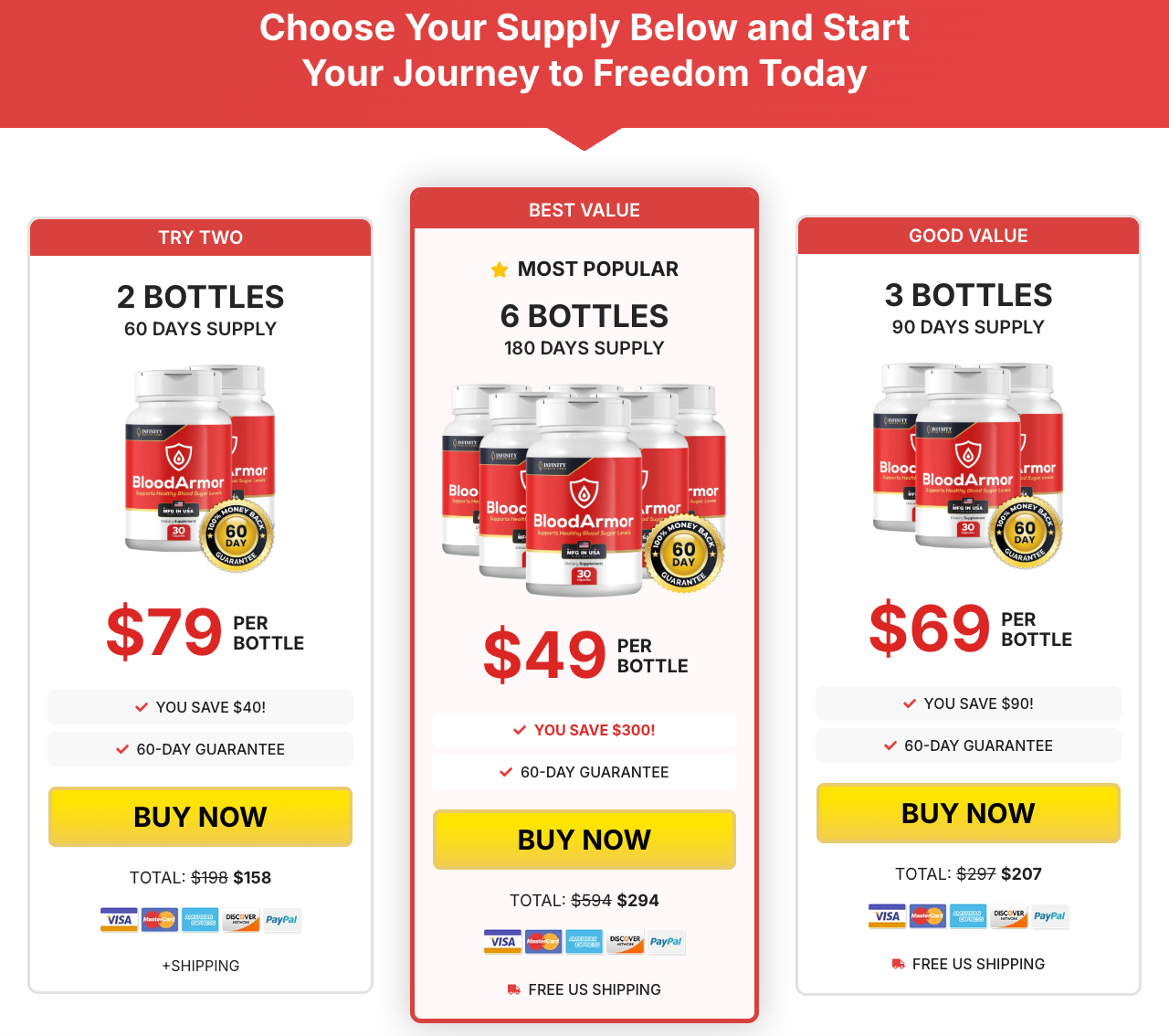
The graphic shows merchant-advertised pricing and guarantee information; verify terms at checkout.
Blood Armor · Purchase Options
Explore Today’s Blood Armor Buying Options
Review the advertised two-, three- and six-bottle configurations. Check live prices, shipping and eligibility at the merchant checkout.
CHECK CURRENT OFFER ↗Affiliate link · Pricing and guarantee wording shown in artwork are merchant advertising and require checkout confirmation.
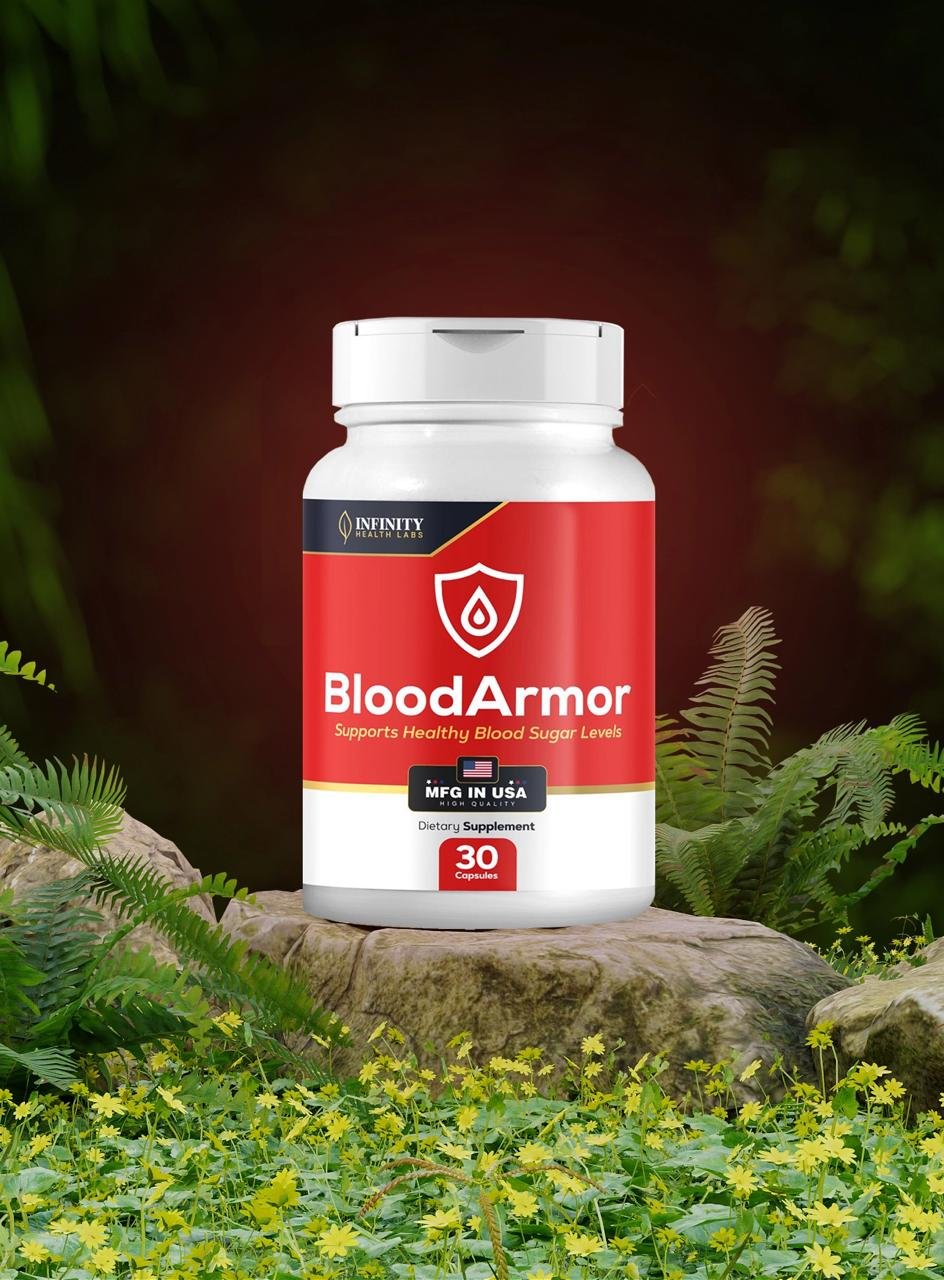
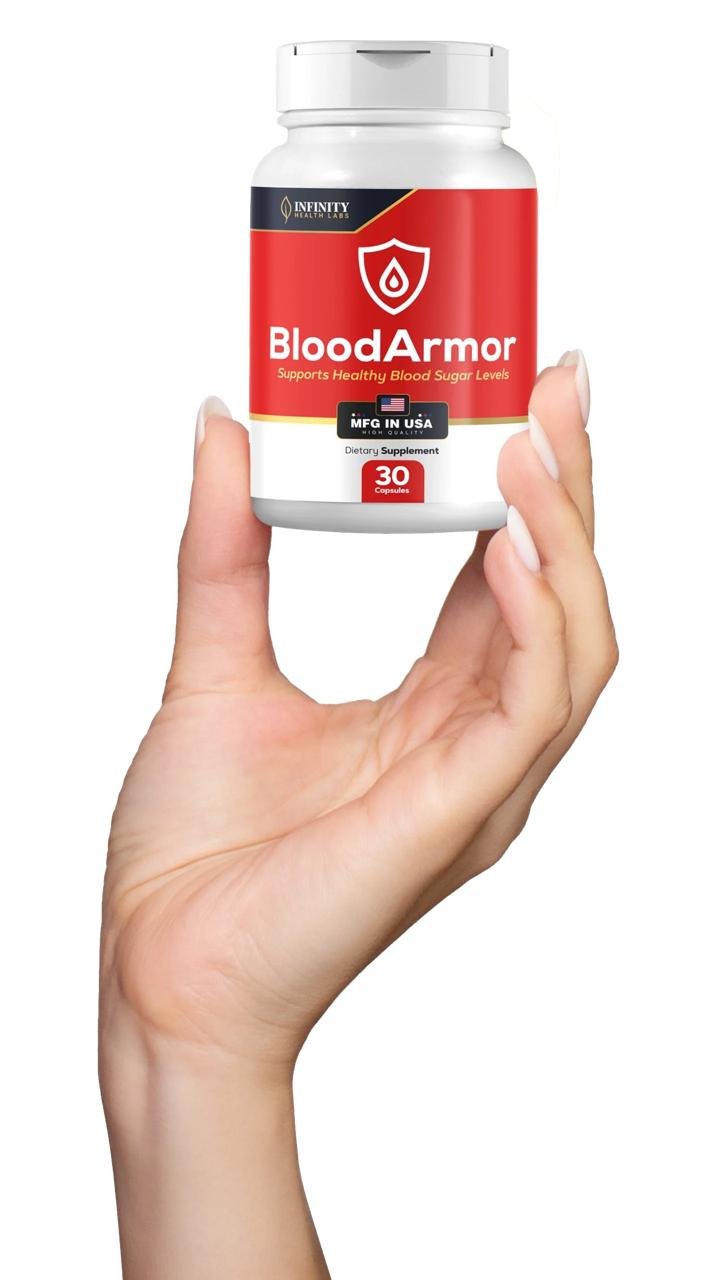
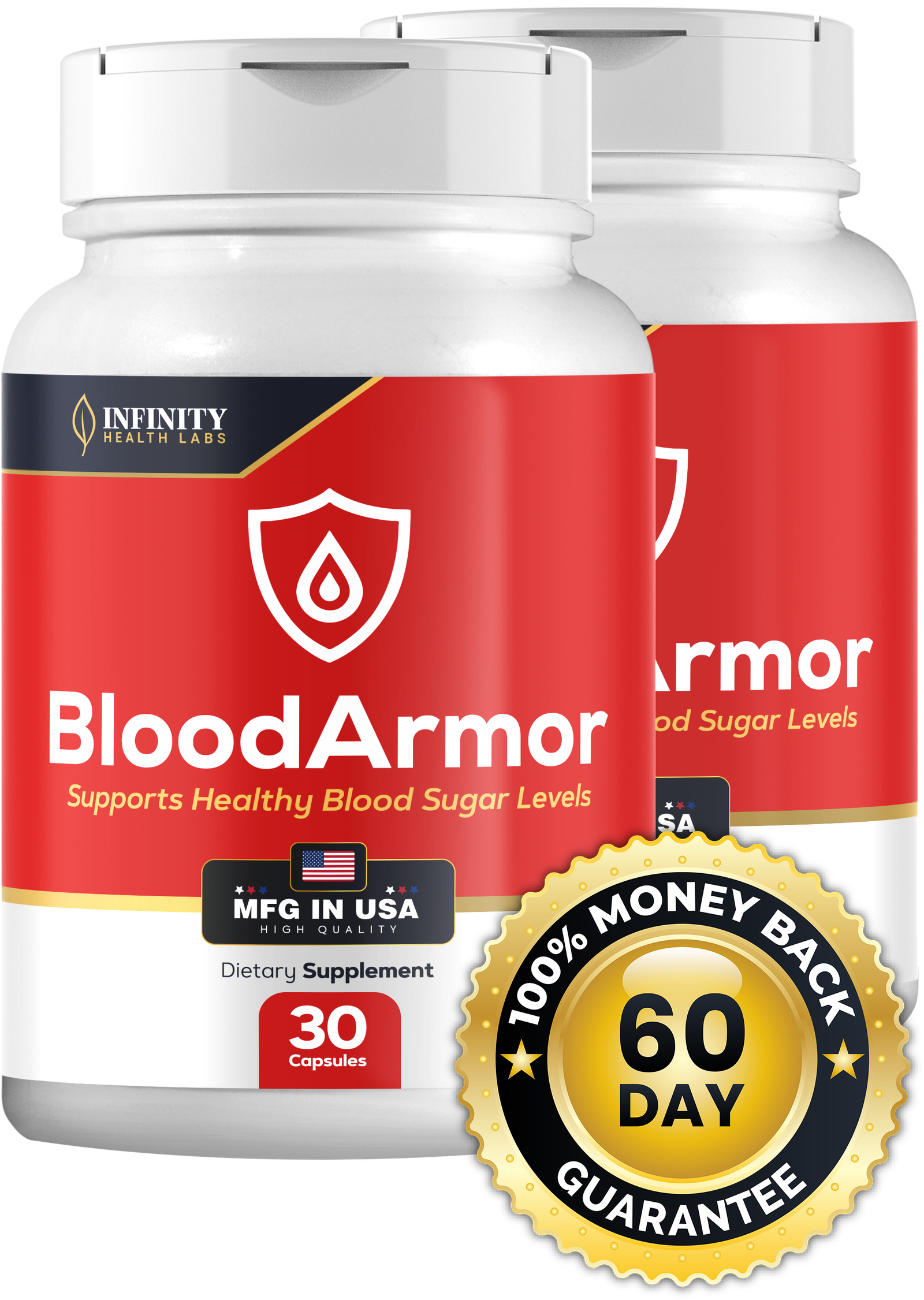
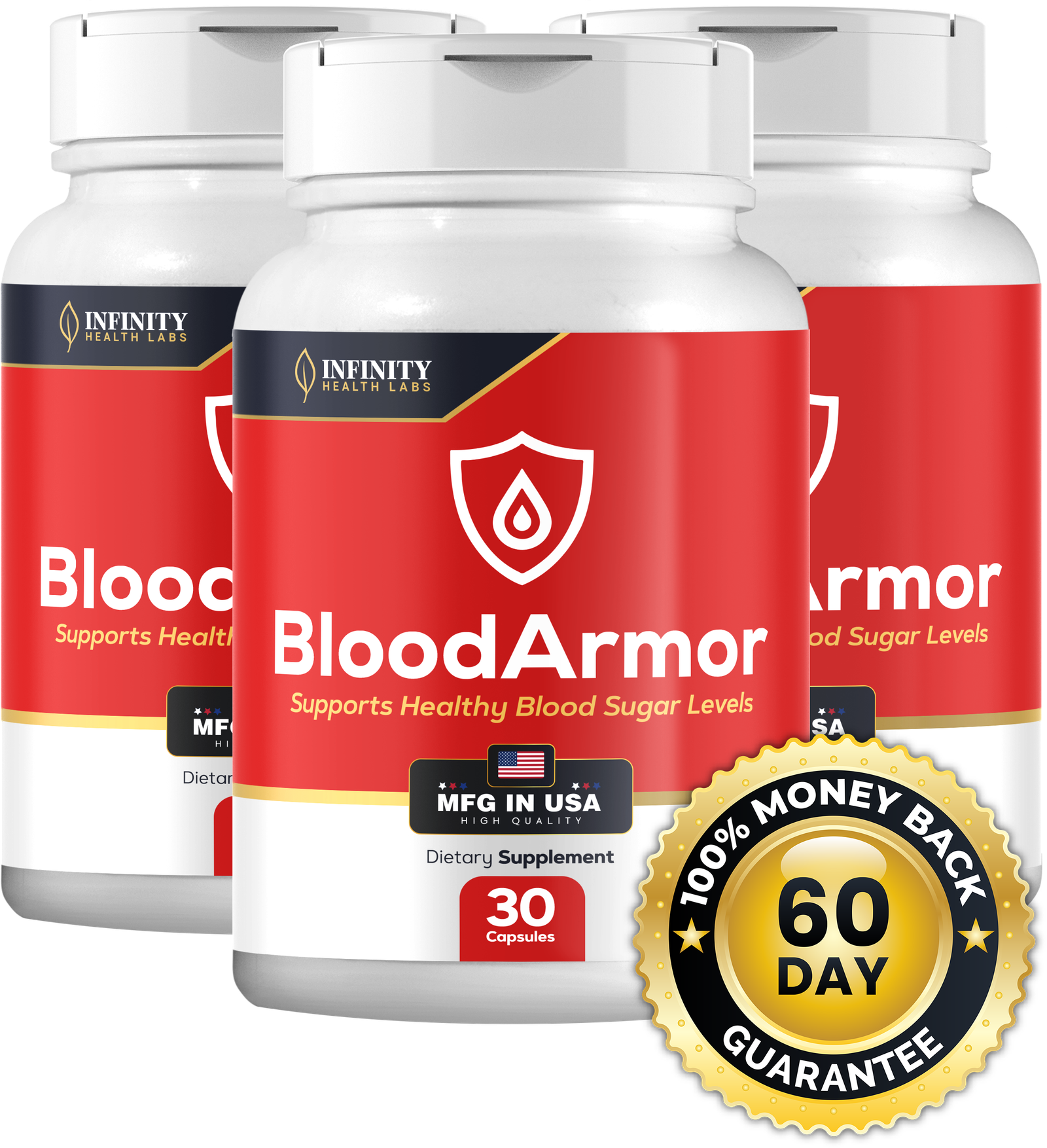
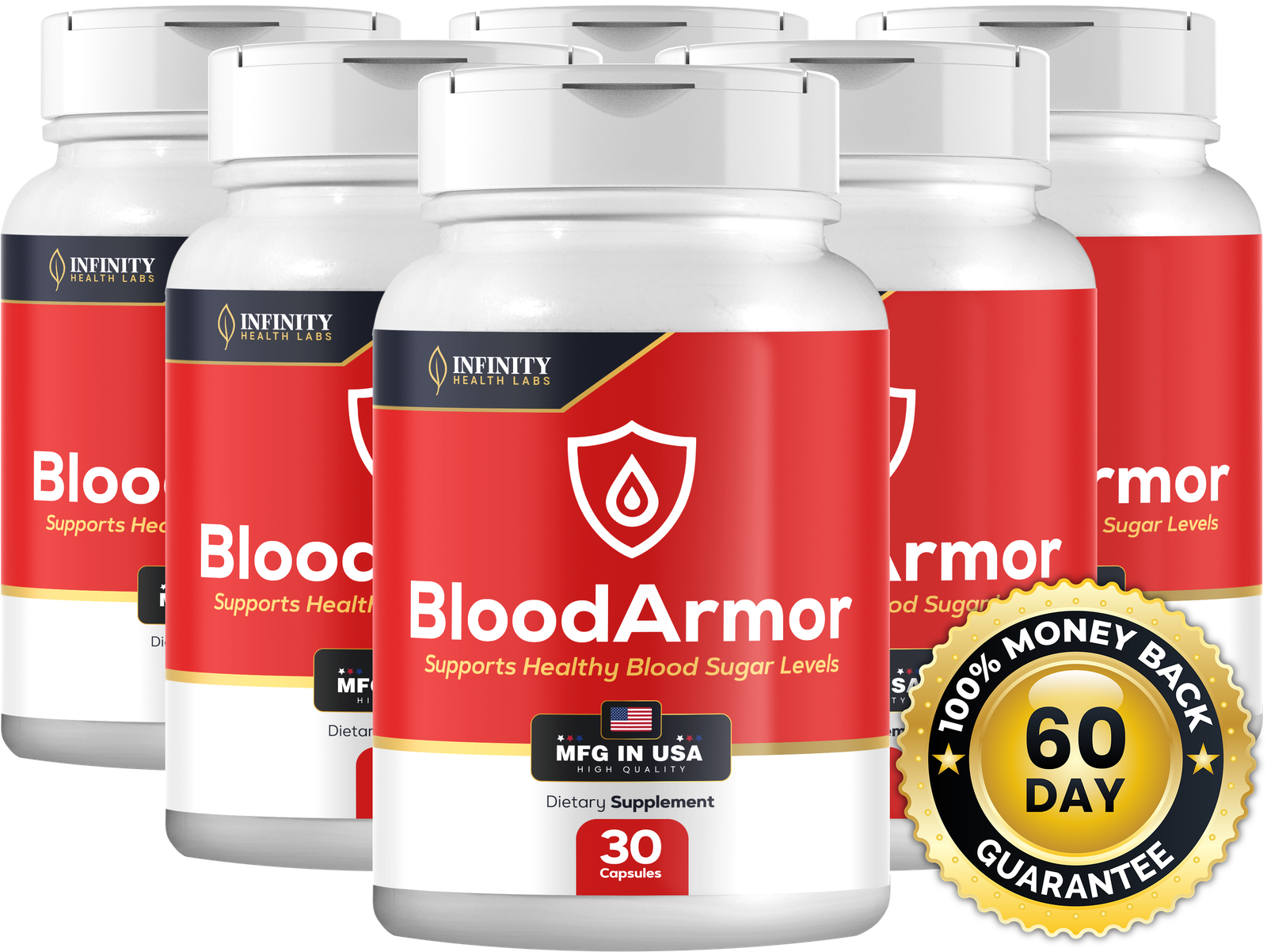
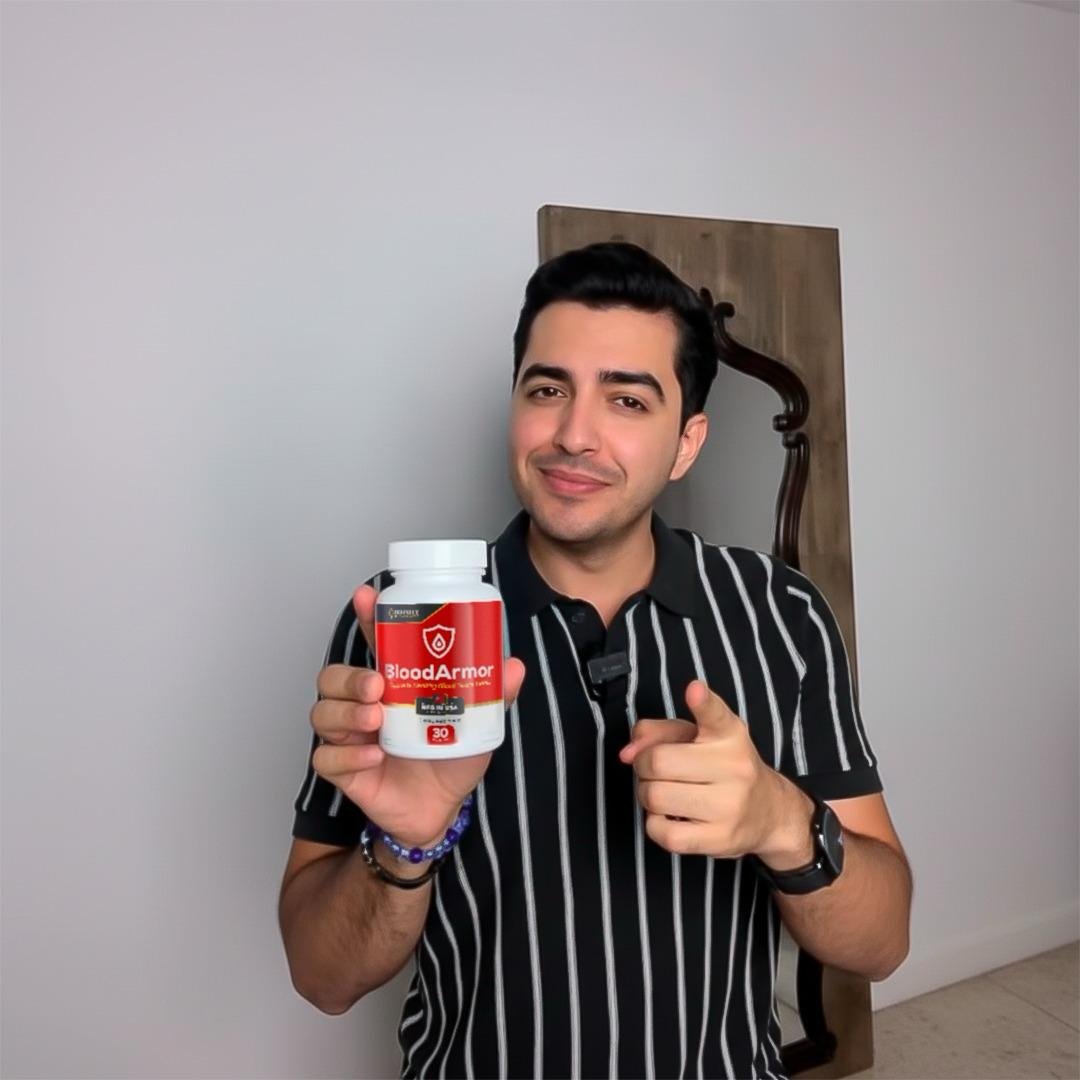
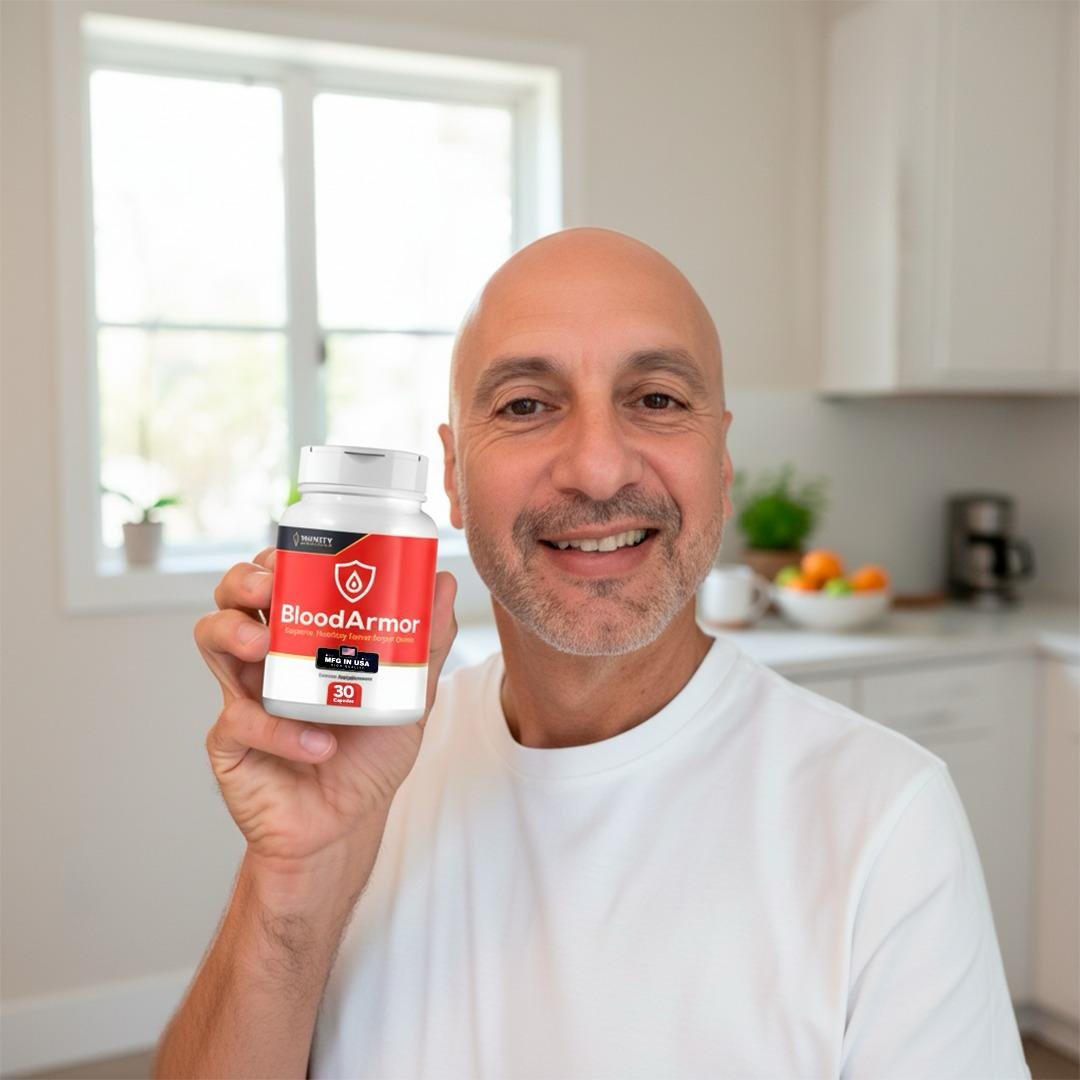
Promotional photographs supplied with the product assets. People pictured are not presented as verified customers or clinical participants.
What FDA regulation does and does not mean
Dietary supplements are regulated as a category of food under US federal law, not as prescription medicines. Unlike drugs, supplements generally are not reviewed and approved by the FDA for safety and effectiveness before they are marketed. Firms are responsible for lawful labels and for meeting applicable manufacturing and safety requirements. FDA has enforcement powers when products are adulterated or misbranded. A marketing phrase such as FDA approved should therefore not be treated as a legitimate endorsement of Blood Armor as a finished dietary supplement. The appropriate consumer question is what concrete, verifiable information the business provides.
Understand the difference between structure-function and disease claims
A supplement label may use qualified statements about supporting normal body structure or function, subject to legal requirements. That is substantially different from asserting that a supplement cures, treats, prevents or mitigates diabetes. A claim that a product replaces insulin or reverses a diagnosed disease should be scrutinized especially carefully. Even a compliant structure-function claim does not mean the FDA independently validated the clinical outcome. Look for precise wording, appropriate disclosures and evidence relevant to the exact formula, not broad promises based on general ingredient discussions.
Read the required label elements
A dietary supplement label typically includes a product identity, net quantity, Supplement Facts, an ingredient list and identification of the manufacturer, packer or distributor. The product suggested use and applicable warnings may also matter. Some formulas use proprietary blends, in which case individual ingredient amounts may not be fully listed. Consumers should consider whether undisclosed quantities make it difficult to assess a product against clinical studies or recognize possible interactions. Do not infer the Blood Armor ingredient list from unrelated promotional pages: the current package label is the necessary source.
Manufacturing and third-party quality documentation
Current good manufacturing practices concern quality systems, production and appropriate controls. They do not establish that a product lowers HbA1c or delivers a particular health result. Independent testing can add useful detail when documents identify the tested product and lot, laboratory and scope of testing. Certification labels should be verified against the actual certifying organization and its criteria. A screenshot or decorative seal without traceable supporting documents does not prove certification. For more on interpreting certificates, consult the dedicated third-party supplement testing guide.
Blood Armor · Purchase Options
Compare Blood Armor Packages Before You Decide
Compare total cost, cost per serving and upfront purchase commitment. Confirm current merchant terms before deciding.
CHECK CURRENT OFFER ↗Affiliate link · Pricing and guarantee wording shown in artwork are merchant advertising and require checkout confirmation.
How to examine a health-benefit claim
Start by identifying the exact claimed outcome and whether the company offers human evidence for the finished formulation. If research examines isolated ingredients, compare the studied forms, doses and populations to the label. A plausible mechanism is not enough to demonstrate a clinically meaningful effect. Blood sugar wellness language should not obscure the important difference between general lifestyle goals and management of diabetes. The NIH NCCIH evidence review reports limitations and uncertainty for many commonly marketed supplements. Consumers should not stop or adjust indicated medications based on product advertising.
What to do about a suspicious product claim
Preserve the marketing statement, URL and date, then examine the seller details and packaging. The FDA and Federal Trade Commission have roles concerning unlawful supplement practices and deceptive advertising. Consumers may also be able to use their payment provider or state consumer-protection channels to address purchase disputes. Reporting a concern is not the same as establishing wrongdoing: factual documentation matters. Avoid repeating accusations from anonymous reviews as settled facts. If a product appears to cause an adverse event, seek appropriate medical help and consider the relevant safety-reporting routes.
US purchasing decisions involve more than compliance
Regulatory status is only one dimension of consumer value. Compare ingredient transparency, source documentation, reasonable expectations, potential medication interactions and the final checkout terms. Shipping, taxes and return obligations should be known before purchase. An affiliate website can introduce a commercial offer but does not independently certify the merchant or formula. The actual order and refund agreement is the source for transaction-specific terms. Separating quality, efficacy and customer-service questions makes purchase decisions more informed.
Practical consumer checklist
Check the current Supplement Facts panel, identify the responsible seller, ask for substantiation of quality seals and consider whether claimed outcomes concern a disease. Confirm applicable warnings and discuss potential interactions with a qualified clinician, particularly when taking glucose-lowering medication. Review final pricing, billing arrangements, shipping destination and written refund rules. Keep transaction records. If a claim cannot be verified, record the uncertainty rather than converting it into a positive testimonial or a claim of proven effectiveness.
Related buyer guides and independent research
US consumer protection and buying resources
Blood Armor · Purchase Options
Ready to Review the Current Blood Armor Offer?
Explore the product information, ingredient-label considerations and current offer with clear expectations.
CHECK CURRENT OFFER ↗Affiliate link · Pricing and guarantee wording shown in artwork are merchant advertising and require checkout confirmation.